
Rigs to Reefs
Thousands of offshore petroleum platforms provide energy and create marine habitats.
Offshore petroleum platforms act as artificial reefs, creating multiple marine habitats, according to scientists. Beginning in 1979 with an Exxon (ExxonMobil) experimental subsea structure, the U.S. government’s “Rigs to Reefs” program established the largest artificial habitat in the world.
The Gulf of Mexico, both onshore and offshore, has continued to be a key contributor to U.S. oil and natural gas resources and energy infrastructure. Federal offshore oil production in 2023 accounted for 15 percent of total U.S. crude oil and five percent of natural gas production, according to the U.S. Energy Information Administration (EIA).
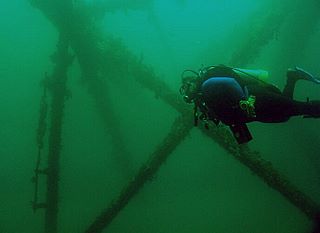
Offshore platforms make good artificial reefs. The open design attracts fish — and divers — where they can swim easily through the circulating water. Photo courtesy U.S. Bureau of Safety and Environmental Enforcement.